
怀化拼多多电商培训课程
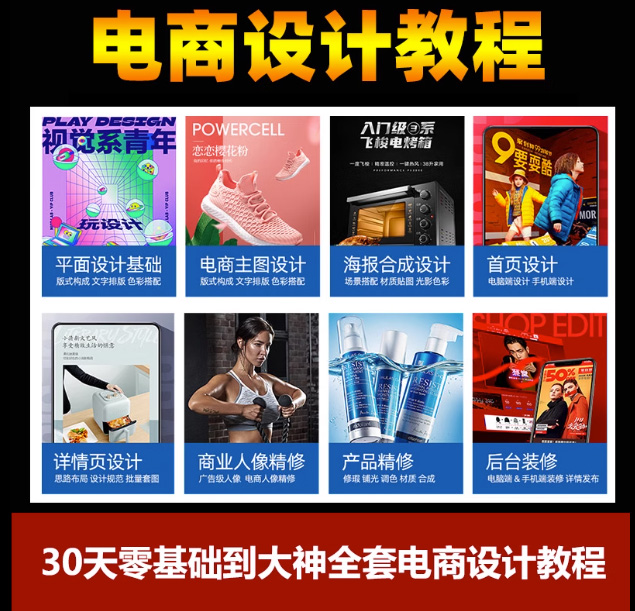
电商培训设计教程
一溃千里,是海外快时尚品牌近些年在国内的真实写照。在全球三大快时尚品牌中,ZARA、H&M都在国内持续关店,甚至出现营收下滑的情况。GAP更是直接把中国区业务卖给宝尊电商。因为GAP的拖累,宝尊电商2022年净亏损扩大近三倍。The collapse of thousands of miles is a true portrayal of overseas fast fashion brands in China in recent years. Among the three global fast fashion brands, ZARA and H&M have continued to close stores in China, even experiencing a decline in revenue. GAP directly sells its business in China to Baozun E-commerce. Due to the drag of GAP, the net loss of Baozun E-commerce in 2022 has nearly tripled.
而对品牌而言,代运营商的作用就更突出了。一个是代运营商们比品牌们更懂平台的心思,比起品牌自己“摸黑”,宝尊、丽人丽妆背后是阿里的投资支持,它们更懂如何与平台规则博弈。For brands, the role of proxy operators is even more prominent. One is that proxy operators understand the platform's mindset better than brands, and behind them, Baozun and Lirenli makeup are Alibaba's investment support. They understand how to play games with platform rules better than brands themselves.
对电商平台而言,代运营商一方面能为平台引入国内外优质品牌,提升平台的知名度,进而拉动用户流量。另一方面,代运营商所创造的GMV本身也是平台交易量的重要支撑。For e-commerce platforms, on the one hand, proxy operators can introduce high-quality domestic and foreign brands to the platform, enhance its visibility, and thereby drive user traffic. On the other hand, the GMV created by proxy operators is also an important support for platform transaction volume.
正体现出了快时尚的行业变化,电商砍掉中间环节后,消费者反馈喜好的速度变快,快时尚捕捉“流行趋势”更难了,导致ZARA、H&M本土化都没有成功。但捕捉消费者偏好,预测潮流正是电商的能力圈,SHEIN就是最好的证明。SHEIN已经珠玉在前,电商巨头们自然不会放过这个机会。This reflects the changes in the fast fashion industry. After the elimination of intermediate links in e-commerce, the speed of consumer feedback on preferences has become faster, making it more difficult for fast fashion to capture "popular trends", resulting in unsuccessful localization of ZARA and H&M. But capturing consumer preferences and predicting trends is the ability circle of e-commerce, and SHEIN is the best proof. SHEIN has already taken the lead, and e-commerce giants will naturally not miss this opportunity.
数据显示,2021年我国生鲜电商行业市场规模已经超过3000亿元,水果作为生鲜农产品的重要类别,其在电商销售渠道的占比也在日益增加。但归根到底,平台方要想在水果电商市场“分一杯羹”,还需建立严格的平台审核机制,用消费者满意的品质和服务说话,这也是其长远发展下去的动力。商家也应意识到,要想维持住销售流量,赢得消费者口碑,还应用心守住收购、包装和发货等每个环节,才能以稳定的供货品质打响自己的招牌。其实一些电商销售平台也有好的经验和做法,比如要求入驻商家在商品界面标明各类水果的大小、磕碰、成熟度情况等影像信息,重点提示水果外观存在问题等,让消费者了解果质后下单,免去了收货后“货不对板”的风险,在这些商品的留言区也是好评居多。这也证明,只要确保水果质量,让消费者与商家在水果品质上达成信息对称,不管是瞄准哪个消费渠道的水果,都能实现其应有的价值。Data shows that the market size of China's fresh e-commerce industry has exceeded 300 billion yuan in 2021, and fruits, as an important category of fresh agricultural products, are also increasing in their proportion to e-commerce sales channels. But ultimately, if the platform wants to "get a piece of the cake" in the fruit e-commerce market, it still needs to establish a strict platform review mechanism, speak with consumer satisfaction of quality and service, which is also the driving force for its long-term development. Merchants should also realize that in order to maintain sales flow and win consumer reputation, they should also carefully guard every link such as acquisition, packaging, and shipping, in order to establish their own brand with stable supply quality. In fact, some e-commerce sales platforms also have good experience and practices, such as requiring merchants to indicate the size, bumps, maturity, and other image information of various fruits on the product interface, with a focus on reminding consumers that there are problems with the appearance of the fruits, so that consumers can understand the quality of the fruits before placing an order, avoiding the risk of "wrong products" after receiving them. These products are also highly praised in the message area. This also proves that as long as fruit quality is ensured and consumers and merchants achieve information symmetry in fruit quality, regardless of which consumption channel the fruit is targeted at, it can achieve its due value.


